
Angle Grinder Overview
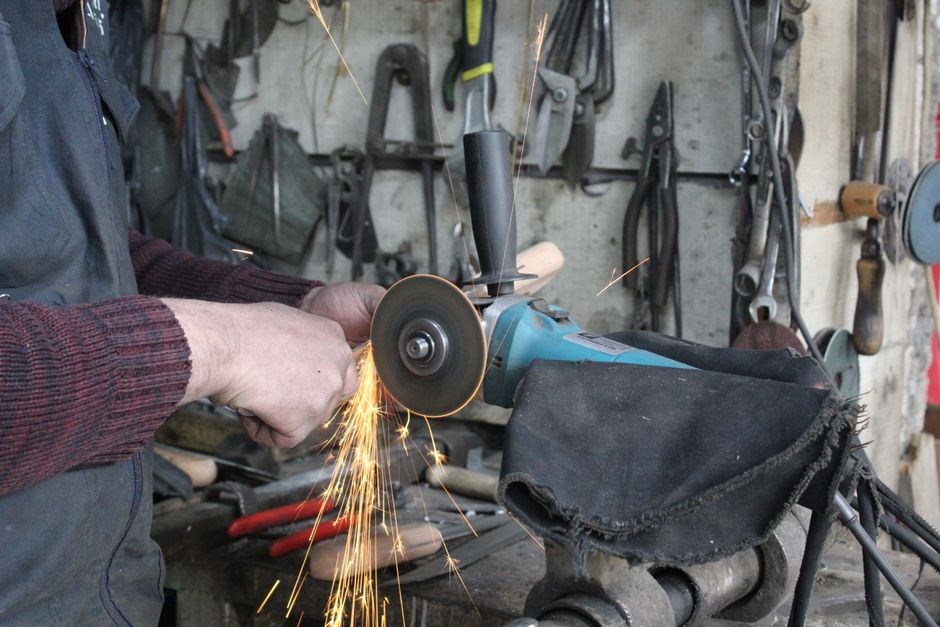
An angle grinder is a handheld power tool that spins a circular abrasive wheel‚ enabling cutting‚ grinding‚ and polishing tasks across metal‚ tile‚ and stone․ Its compact design and adjustable speed make it ideal for quick‚ rough work‚ while safety guards protect operators․ Use proper guard settings․ Keep!
Types of Angle Grinders
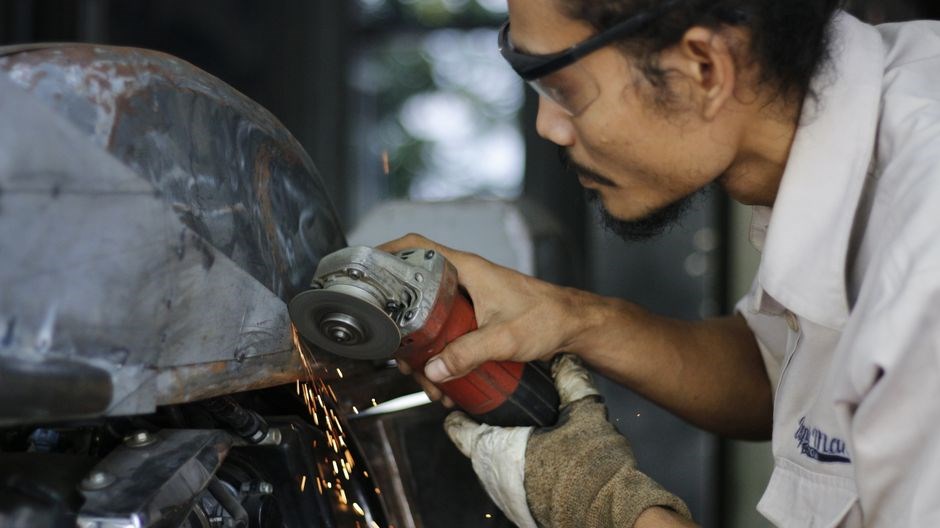
Angle grinders come in several distinct categories‚ each tailored to specific tasks and power requirements․ The most common type is the standard 4‑inch grinder‚ ideal for general metalwork‚ tile cutting‚ and light polishing․ It balances portability with sufficient torque for most hobbyist projects․
For heavier applications‚ the 5‑inch grinder offers increased surface area and power‚ making it suitable for large‑scale metal fabrication‚ heavy stone cutting‚ and aggressive deburring․ Its larger wheel diameter also reduces the number of passes needed‚ improving efficiency․
Industrial users often rely on 6‑inch grinders which provide the highest torque and durability․ These units are built to withstand continuous use‚ feature reinforced housings‚ and frequently include variable speed controls for precision tasks․
In recent years‚ cordless angle grinders have gained popularity․ Powered by high‑capacity lithium‑ion batteries‚ they deliver comparable performance to corded models while offering unparalleled mobility․ Battery life and charging time are critical when selecting a cordless unit․
Finally‚ specialized grinders such as rotary hammers and multi‑tool attachments expand the range of operations․ Rotary hammers combine hammering action with grinding‚ ideal for concrete demolition‚ while multi‑tool attachments allow a single unit to switch between sanding‚ grinding‚ and polishing․ added․ for count․ now․ end․!!
Common Applications
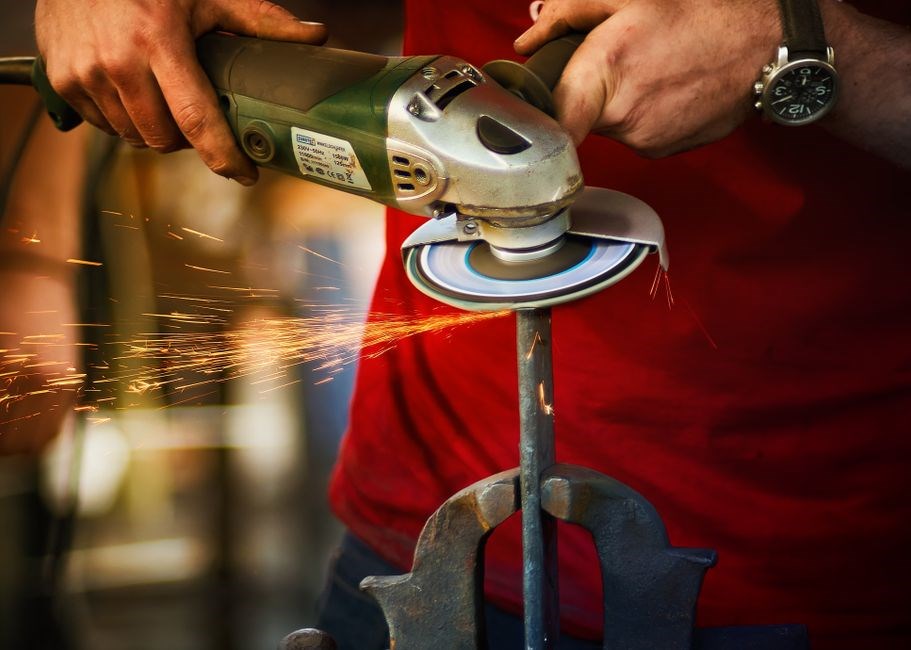
Angle grinders are prized for their versatility in both professional workshops and DIY projects․ They excel at cutting metal sheets‚ reinforcing welds‚ and trimming structural steel․ In masonry‚ the tool can slice through tile‚ cut bricks‚ and break up concrete with a diamond or abrasive wheel․ For automotive work‚ it removes rust‚ sharpens edges‚ and prepares surfaces for repainting․ In metal fabrication‚ the grinder deburrs edges‚ smooths weld beads‚ and grinds down burrs left by cutting tools․ It also polishes stainless steel‚ chrome‚ and other metals to a mirror finish when paired with a polishing wheel․ In woodworking‚ a sanding disc can strip old paint or finish from timber․ The grinder’s high‑speed rotation allows quick removal of excess material‚ making it ideal for demolition‚ restoration‚ and custom fabrication tasks․ Safety is paramount; always wear eye protection‚ gloves‚ and a face shield‚ and keep the guard in place to shield the operator from sparks and debris!!
It also polishes stainless steel‚ chrome‚ and other metals to a mirror finish when paired with a polishing wheel․ In woodworking‚ a sanding disc can strip old paint or finish from timber․ The grinder’s high‑speed rotation allows quick removal of excess material‚ making it ideal for demolition‚ restoration‚ and fabrication tasks․ Safety is paramount; always wear eye protection‚ gloves‚ and a face shield‚ and keep the guard in place to shield the operator from sparks and debris․
The grinder’s versatility extends to tile cutting‚ where a diamond wheel slices porcelain cleanly․ It polishes metal fixtures‚ removes rust‚ shapes brackets․ Its makes it indispensable for removal rapidly in construction!!
Essential Safety Guidelines
Always keep grinder’s wheel in good condition inspect for cracks before each job․ Replace a worn wheel․ Never repair a damaged wheel․ Use a workbench or clamp to hold the material ensuring grinder’s body does not contact the workpiece well․ This reduces vibration and improves precision․ Avoid using the grinder on oily surfaces to prevent sparks․ Follow the manufacturer’s maintenance schedule to safety
Choosing the Right Power Source
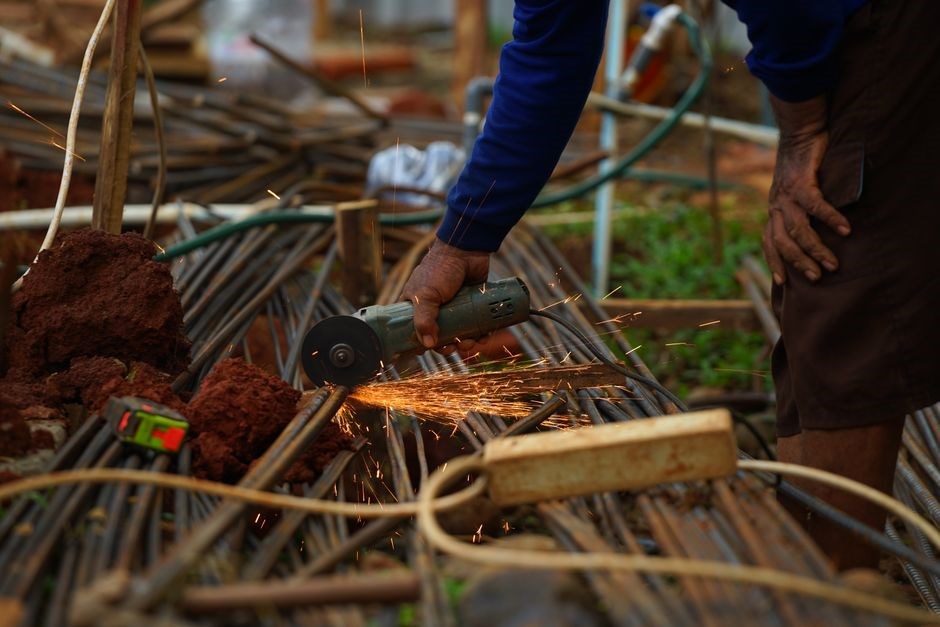
When choosing an angle grinder‚ the power source determines performance‚ portability‚ and cost․ Corded models provide a steady 120 V or 240 V supply‚ delivering uninterrupted torque for heavy‑duty tasks like cutting thick metal or grinding large stone slabs․ The drawback is limited reach and the need for an outlet․ Cordless grinders use lithium‑ion batteries‚ offering freedom of movement and suitability for tight spaces or job sites where cords pose hazards․ Battery capacity‚ measured in amp‑hours (Ah)‚ dictates run time; a 4 Ah pack sustains use fast for 30–45 minutes‚ while an 8 Ah pack extends this to an hour or more․ Voltage matters: 18 V units suit light to medium work; 20 V or 24 V variants give higher torque for demanding jobs․ Torque curves plotted against speed show higher torque at lower RPMs improves cutting depth but may increase heat very․ Users should match the grinder’s power rating to material thickness; a 6 in․ grinder with 3 kW output suits most household jobs‚ while industrial models can exceed 5 kW․ Finally‚ consider weight and ergonomics; a heavier unit offers stability but may cause fatigue․ By weighing factors—voltage‚ battery life‚ torque‚ power rating‚ ergonomics—professionals choose the source that best fits workflow and safety!
Always wear safety gear to protect eyes‚ hands‚ and hearing․!! For optimal results‚ always verify that the grinder’s wheel is compatible with the material and that the guard is properly positioned․ Keep the work area clean and free of debris to avoid accidental contact with the spinning wheel․ When changing wheels‚ allow the grinder to cool completely to prevent burns․ Store the tool in a dry‚ ventilated space to preserve battery life and prevent corrosion․ Regularly inspect the cord or battery connector for wear‚ and replace any damaged components immediately to maintain safety and performance․
Wheel Size and Selection
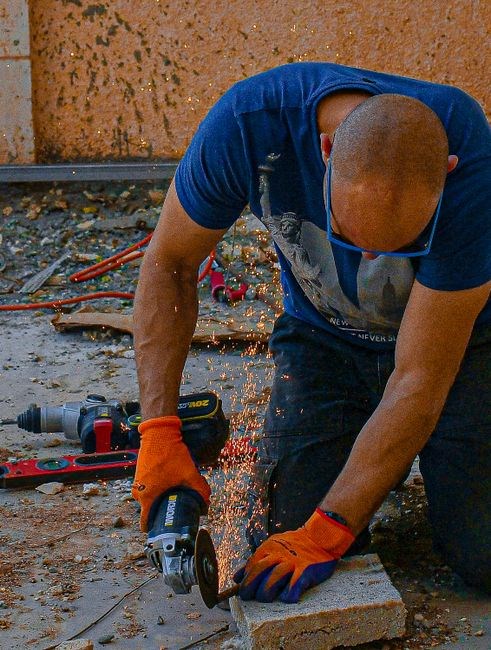
Choosing the correct wheel size for an angle grinder is essential for safety‚ performance‚ and versatility․ The most common diameters are 4 inches‚ 5 inches‚ and 6 inches‚ each offering distinct advantages․ A 4‑inch wheel is lightweight‚ ideal for tight spaces and grinding or polishing tasks․ Its smaller profile reduces kickback and allows precise control‚ making it popular among hobbyists and metalworkers who need fine detail work․ A 5‑inch wheel balances reach and maneuverability; it handles moderate thickness materials and offers a larger cutting surface without becoming unwieldy․ The 6‑inch wheel is the workhorse for heavy‑duty applications such as cutting thick metal‚ grinding large stone surfaces‚ or removing welds․ Its larger diameter provides greater torque and a faster cutting speed‚ but it also increases the risk of kickback and requires a more robust guard․ When selecting a wheel‚ always match the wheel’s RPM rating to the grinder’s speed․ Exceeding the maximum RPM can cause catastrophic failure․ Additionally‚ consider the wheel’s material: abrasive‚ diamond‚ or grinding․ Abrasive wheels are best for metal; diamond wheels excel on stone and tile; grinding wheels are versatile for both metal and wood․ The wheel’s thickness matters; thicker wheels offer durability but add weight‚ while thinner wheels are lighter but wear faster․ Finally‚ inspect the wheel’s mounting flange for compatibility with the grinder’s arbor․ A proper fit ensures a secure connection and reduces vibration during operation․ By carefully evaluating diameter‚ material‚ thickness‚ and compatibility‚ users can select the optimal wheel for each task‚ maximizing efficiency while maintaining safety․
Selecting the right wheel also depends on the grinder’s power rating․ A 3 kW unit can handle a 6‑inch wheel efficiently‚ whereas a 2 kW grinder may struggle with larger diameters․ Matching power to wheel size ensures consistent torque‚ reduces vibration‚ and prolongs tool life․ Keep this balance in mind when upgrading or replacing wheels to maintain optimal performance․ Check specs!??
Always double‑check specs․????
Recommended Wheel Types
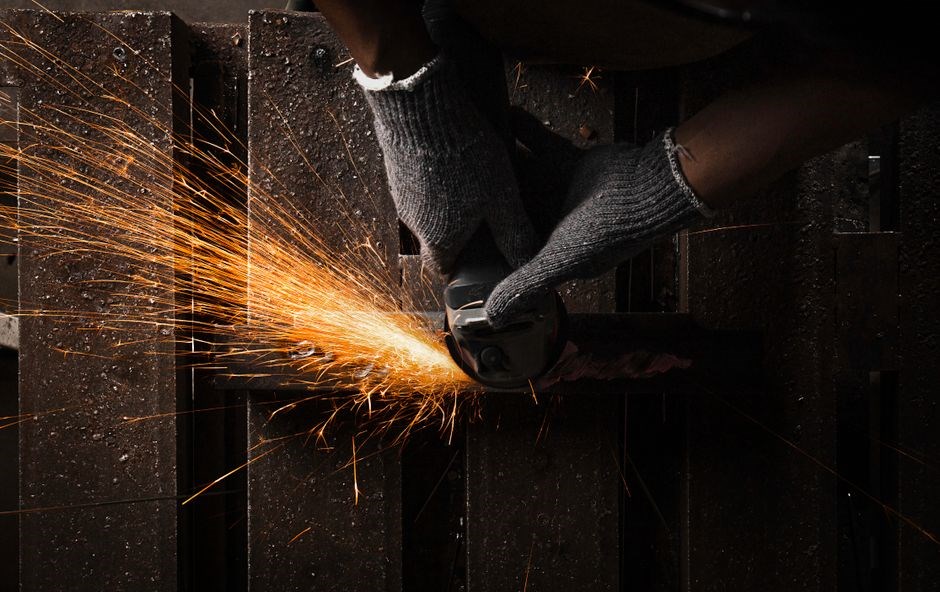
When selecting wheels for an angle grinder‚ the choice hinges on the material‚ finish‚ and application․ Abrasive wheels‚ made from aluminum oxide or silicon carbide‚ are the workhorse for metal grinding‚ deburring‚ and surface preparation․ Their grit size ranges from coarse 24 to fine 120‚ allowing users to tailor the finish․ Diamond wheels‚ composed of a diamond‑impregnated matrix‚ excel at cutting stone‚ tile‚ and concrete․ They offer superior durability and a clean edge‚ but require a high‑speed grinder to avoid overheating․ Grinding wheels‚ with a bonded abrasive core‚ are ideal for heavy‑metal removal‚ such as cutting bolts or shaping steel․ They come in various hardness grades‚ from soft 80 to hard 120‚ to match the workpiece․ Sanding discs‚ typically 4‑inch or 5‑inch‚ are used for finishing surfaces‚ removing paint‚ or smoothing welds․ They are available in coarse‚ medium‚ and fine grits․ Cutting discs‚ often made of carbide or diamond‚ provide a sharp edge for cutting through metal‚ wood‚ or plastic․ Their design includes a central hub for secure mounting and a rim that can be reinforced to reduce vibration․ When choosing a wheel‚ always verify the RPM rating matches the grinder’s speed‚ and ensure the wheel’s arbor size fits the tool․ Proper selection not only improves efficiency but also enhances safety by reducing kickback and extending tool life․
Top Brands and Models
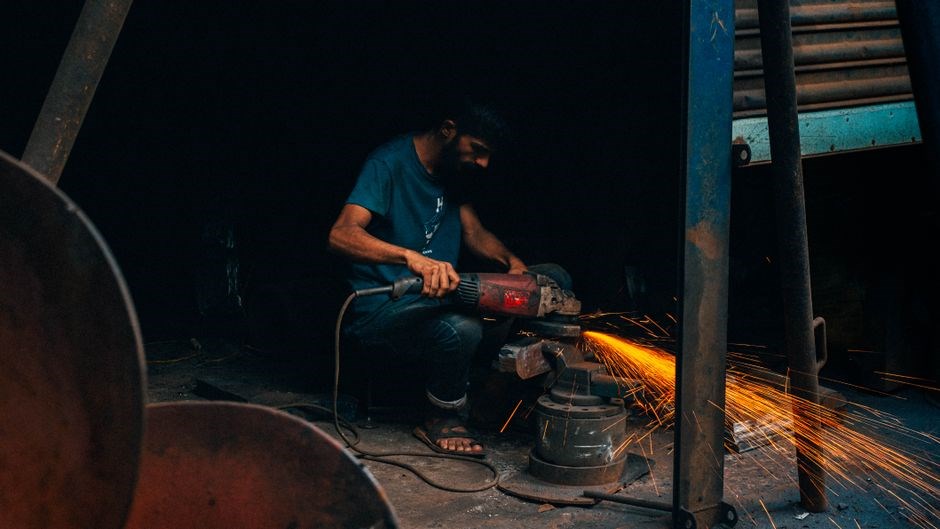
Choosing a reliable angle grinder starts with trusted manufacturers that balance power‚ durability‚ and ergonomics․ Bosch’s GWS 120‑10 delivers 120 W of torque‚ a 5‑inch wheel‚ and a built‑in safety guard‚ making it a favorite for metalworkers and hobbyists alike․ Makita’s G12R1 offers 120 W and a 5‑inch wheel‚ but its lightweight design and dual‑speed trigger provide extra control for delicate tasks․ Milwaukee’s 2700 is a 120 W grinder with a 5‑inch wheel and a quick‑release guard‚ praised for its robust housing and long battery life in cordless models․ DeWalt’s DW660 is a 120 W‚ 5‑inch grinder that features a dual‑speed trigger and a built‑in dust collection port‚ ideal for shop use․ Hitachi’s G1200 offers 120 W‚ a 5‑inch wheel‚ and a safety guard that locks into place‚ providing consistent protection during heavy cuts․ For those who need a larger wheel‚ the Bosch GWS 140‑10 provides 140 W and a 6‑inch wheel‚ while the Makita G12R2 offers 140 W with a 6‑inch wheel and an ergonomic handle․ Each of these models shares common features: a quick‑release wheel mounting system‚ a built‑in safety guard‚ and a durable housing that withstands daily shop use․ When selecting a grinder‚ consider the power rating‚ wheel size‚ and ergonomic features that match your workflow and material requirements․ All these models come with manufacturer warranties ranging from one to three years‚ and most brands offer extensive online resources and responsive customer support․ Many of these grinders feature adjustable guard angles and ergonomic grips that reduce operator fatigue during prolonged use․ This combination ensures safety‚ precision‚ and long‑term reliability․

Proper Usage Techniques
Before turning on an angle grinder‚ always confirm the wheel is correctly seated and the guard is fully engaged․ Position the tool with both hands‚ placing the non‑dominant hand on the handle and the dominant hand on the wheel for maximum control․ Keep the grinder perpendicular to the workpiece; a slight angle can cause the wheel to jump or the material to warp․ For cutting‚ maintain a steady feed rate—too fast can overheat the wheel‚ too slow can dull it․ When grinding‚ let the wheel do the work; avoid forcing the grinder into the surface‚ which can lead to kick‑back․ Use a firm‚ even pressure and allow the wheel to rotate freely․ For polishing‚ start with a coarse pad and gradually progress to finer grits‚ keeping the wheel moving to avoid heat buildup․ Always wear eye protection and a face shield to guard against sparks and debris․ If the wheel shows signs of wear or cracking‚ replace it immediately; a damaged wheel can shatter and cause injury․ When working in confined spaces‚ use a dust collection system to reduce airborne particles․ Finally‚ after each session‚ disconnect the power source‚ let the wheel spin down completely‚ and inspect the tool for any damage before storing it in a dry‚ secure location; When using abrasive wheels‚ verify the wheel’s RPM rating does not exceed the grinder’s maximum speed․ Keep the workpiece firmly clamped to avoid kick‑back․ For delicate jobs‚ a smaller wheel reduces gouging risk․ Finally‚ clean motor bearings to extend tool life․ Keep it safe!Ok․
Maintenance and Troubleshooting
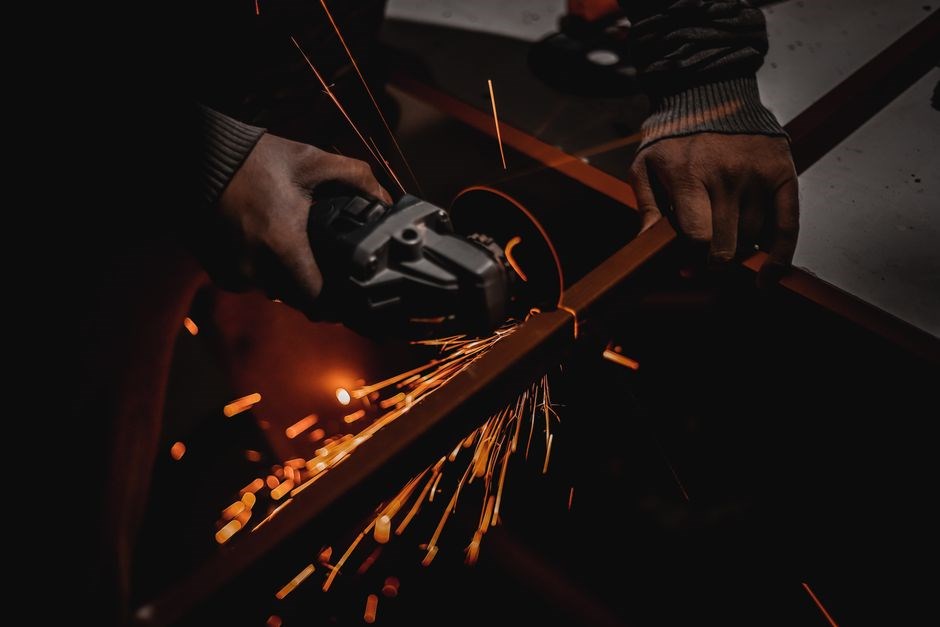
Regularly inspect the wheel‚ guard‚ and handle for wear․ Clean the motor housing and replace worn bearings․ If the grinder stalls‚ check the drive belt and reset the speed․ For overheating‚ let it cool‚ then re‑lubricate․ Keep spare parts handy․ Check spindle rotation․!
Bench Grinder vs․ Hand Grinder
Bench grinders are stationary‚ mounted on a workbench‚ and designed for heavy‑weight grinding‚ sharpening‚ and polishing tasks․ They typically feature dual spindles‚ allowing simultaneous operation of two wheels‚ and can accommodate larger wheel diameters up to 8 inches․ Their robust motor and built‑in cooling system keep the spindle and bearings from overheating‚ making them ideal for continuous use on metal‚ stone‚ or ceramic․
Hand grinders‚ also called angle grinders‚ are portable‚ handheld units that deliver high‑speed rotation to a single wheel․ They are lighter‚ easier to maneuver‚ and perfect for on‑site cutting‚ spot grinding‚ or detailed finishing․ Because they lack a built‑in cooling system‚ hand grinders must be operated in short bursts or with intermittent cooling to avoid motor burnout․ Their smaller wheel sizes‚ usually 4–6 inches‚ allow for tighter control on small or irregular surfaces․
Choosing between the two depends on the job․ For large‚ flat surfaces or continuous production‚ a bench grinder’s stability and power reduce operator fatigue and improve precision․ For field work‚ tight spaces‚ or tasks that require frequent repositioning‚ a hand grinder’s mobility and ergonomic design are advantageous․ Both tools benefit from proper guard usage‚ regular wheel inspection‚ and correct speed settings to ensure safety and longevity․
- Bench grinders excel at flat‑surface work․
- Hand grinders excel in tight spaces․
- Both need guard and wheel care․

Guard‚ inspect wheels‚ stay safe now!!
Personal Protective Equipment
When operating an angle grinder‚ the risk of flying chips‚ sparks‚ and high‑temperature debris is significant․ The first line of defense is a high‑quality safety visor or full‑face mask that covers the eyes‚ nose‚ and mouth․ The visor should have a side shield and be rated for impact and heat resistance․
Gloves are essential to protect the hands from abrasions and sudden wheel breakage․ Choose cut‑resistant‚ heat‑tolerant gloves that still allow a firm grip․ Leather or synthetic gloves with a reinforced palm provide the best balance between protection and dexterity․
Hearing protection is often overlooked but critical․ Angle grinders can produce noise levels exceeding 90 dB․ Use earplugs or earmuffs rated for high‑volume environments․
Protective clothing should be made of flame‑resistant or thick cotton material․ Long sleeves‚ a full‑length jacket‚ and a high‑waist pair of pants keep skin from sparks․
Footwear must be steel‑toed or composite‑toed boots with a non‑slip sole․ The boot should be snug enough to prevent the foot from slipping into the grinding zone․
Respiratory protection is necessary when grinding materials that produce fine dust‚ such as metal or stone․ A properly fitted dust mask or respirator with a HEPA filter should be used․
Finally‚ keep the work area well lit and free of obstructions․ A clean‚ organized workspace reduces the chance of accidental contact with the spinning wheel․
Always review the manufacturer’s safety instructions before use‚ and replace worn or damaged wheels immediately to maintain fully safety․
Electric vs․ Cordless Power
Choosing between a corded and a cordless angle grinder hinges on power‚ mobility‚ and job type․ Corded units draw directly from mains‚ delivering steady‚ high torque ideal for heavy‑duty grinding‚ thick metal cuts‚ or continuous tile work․ The cord limits reach and can be a tripping hazard․
Cordless grinders use rechargeable lithium‑ion batteries‚ giving a portable‚ cord‑free experience․ Modern batteries provide 20–30 minutes of runtime at full speed‚ enough for hobbyist jobs or field work where outlets are scarce․ The added battery weight is offset by the freedom to move without dragging a cord․
Performance differences are clear․ Corded grinders run at 10‚000–15‚000 RPM‚ while high‑end cordless models reach 12‚000 RPM‚ though sustained speeds may drop during heavy use․ Corded units offer higher torque for cutting dense materials․ Cordless units excel in ergonomics‚ lower vibration‚ and quieter operation‚ making them more comfortable for prolonged use․
Cost matters․ A basic corded grinder can be bought for under $50‚ while a comparable cordless unit starts at $80 and rises with battery capacity․ Corded tools need no battery replacement; cordless models require periodic battery swaps after a few hundred charge cycles‚ adding to long‑term expenses․
Common Wheel Sizes (4″‚ 5″‚ 6″)
Angle grinders come with 4‑inch‚ 5‑inch‚ or 6‑inch wheels‚ each suited to different tasks․ The 4‑inch wheel is the smallest and most maneuverable‚ ideal for detailed work such as tile edge grinding‚ blade sharpening‚ or rust removal from narrow shafts․ Its compact size allows it to fit tight spaces and dissipate heat quickly‚ but its torque limits it on thick metal or large‑scale cuts․
The 5‑inch wheel balances reach and power‚ making it versatile for metal cutting‚ concrete grinding‚ and tile removal․ It delivers more force than the 4‑inch while remaining lightweight․ 5‑inch wheels are available in a wide range of abrasives‚ from diamond for stone to silicon carbide for metal‚ suitable for hobbyists and light industrial work․
The 6‑inch wheel is the most powerful option‚ ideal for heavy‑duty tasks such as large‑scale metal cutting‚ concrete grinding‚ or demolition․ Its larger diameter provides greater torque and cutting depth‚ but it is heavier and less maneuverable‚ best suited for open work areas where space is ample․
When choosing a wheel‚ match the diameter to the grinder’s rated size and job demands․ A 4‑inch wheel is perfect for precision work‚ a 5‑inch wheel for general use‚ and a 6‑inch wheel for heavy‑duty tasks․ Verify the wheel’s maximum speed rating (RPM) and ensure it matches the motor’s capability to avoid overheating or failure․ Remember that wheel life is limited; inspect for cracks before each use․ Also‚ keep wheel rim clean to maintain optimum contact․
Cleaning and Inspection
Before each use‚ inspect the wheel for cracks‚ chips‚ or glazing․ A damaged wheel can shatter under load‚ causing injury․ Use a magnifying glass or a flashlight to examine the rim and surface․ If any defects appear‚ replace the wheel immediately․ After cutting‚ remove the wheel and clean the grinder body with a damp cloth to eliminate metal filings and dust․ This prevents corrosion and ensures accurate wheel alignment․ Check the guard for dents or loose screws; tighten all fasteners to maintain a secure fit; Inspect the spindle and bearing for smooth rotation; if resistance is felt‚ lubricate with a few drops of light machine oil․ Finally‚ test the grinder at low speed with a dummy wheel to confirm that the guard‚ wheel‚ and motor are functioning correctly before proceeding to a full load․
Routine inspection is the cornerstone of safe angle grinder operation․ Begin each session by confirming that the guard is firmly attached and the wheel is seated correctly․ A loose guard can expose the operator to flying debris‚ while an improperly seated wheel may wobble‚ causing uneven cuts and potential wheel failure․ Check the spindle for smooth rotation; any grinding noise or resistance is felt‚ lubricate with a few drops of light machine oil․ After use‚ clean the grinder body with a brush to remove metal shavings‚ and store the tool in a dry environment to prevent rust․ Finally‚ maintain a log of wheel changes and maintenance actions to track wear patterns and anticipate future replacements․ Keep updated!