

Post-Surgical Instructions: A Comprehensive Guide
Following surgery, diligent adherence to provided instructions is paramount for optimal healing and recovery. These guidelines encompass activity levels, medication, wound care, and dietary recommendations.
General Post-Operative Guidelines
Initial recovery necessitates prioritizing rest and avoiding strenuous activities. Postoperative dressings typically remain in place for approximately seven days, or until suture removal on clean surgical sites. Carefully monitor your incision for any signs of infection, such as increased redness, swelling, or drainage.
Medication management is crucial; adhere strictly to the prescribed schedule for pain relief and any other medications. Proper hydration and a balanced diet are essential for supporting the healing process. Remember that community health workers can play a vital role in post-surgical care, particularly in resource-limited settings like Rwanda, aiding in research and patient support.
Enhanced Recovery After Surgery (ERAS) Society guidelines emphasize a multidisciplinary approach to optimize patient outcomes. These guidelines, freely available on the ERAS Society website, cover all phases of surgical care. Prioritizing comprehensive care, including pain management, wound care, and early mobilization, is key to a successful recovery. Always follow your surgeon’s specific instructions, as they are tailored to your individual needs and the nature of your surgery.
Activity Levels & Restrictions
Following surgery, a gradual return to activity is essential. Initially, prioritize rest and avoid any strenuous exertion that could compromise the healing incision. Early mobilization, however, is strongly encouraged to prevent complications like deep vein thrombosis (DVT). Gentle walking is often recommended soon after surgery, as tolerated.
Restrictions will vary depending on the type of surgery performed. Your surgeon will provide specific guidelines regarding lifting, bending, and other movements. Avoid activities that cause pain or discomfort at the surgical site. Listen to your body and do not push yourself too hard, too soon.
Post-surgical physical therapy plays a crucial role in regaining strength and range of motion. A physical therapist will design a personalized exercise program to help you safely progress towards your pre-operative activity level. Adhering to these activity restrictions and following the guidance of your healthcare team is vital for optimal recovery and preventing setbacks. Remember, patience and a gradual approach are key.
Medication Management
Effective medication management is a cornerstone of post-surgical recovery. You will likely be prescribed pain medication to manage discomfort, and it’s crucial to take it as directed by your surgeon. Do not exceed the prescribed dosage or frequency, and be aware of potential side effects like nausea, constipation, or drowsiness.
Alongside pain medication, you may receive antibiotics to prevent infection. Complete the entire course of antibiotics, even if you feel better, to ensure complete eradication of bacteria. Additionally, your doctor might recommend medications to prevent blood clots, particularly after certain surgeries.
Always inform your healthcare provider of any other medications you are taking, including over-the-counter drugs and supplements, to avoid potential interactions. If you experience any adverse reactions to your medications, contact your doctor immediately. Proper medication management, combined with diligent wound care and adherence to activity restrictions, significantly contributes to a smoother and faster recovery process.
Wound Care: Initial Stages
Initial wound care is critical to prevent infection and promote optimal healing. Generally, keep the initial surgical dressing clean and dry for approximately seven days, or until suture removal, if applicable. Avoid soaking the wound in a bath or swimming pool during this period; showers are generally permissible, but direct, forceful water pressure should be avoided.
Monitor the incision site daily for signs of infection, such as increased redness, swelling, warmth, pain, or drainage. A small amount of clear, serous fluid is normal, but any pus-like discharge or foul odor should be reported to your surgeon immediately. Gently clean around the incision with mild soap and water, as instructed by your healthcare team.
Avoid applying creams, lotions, or powders directly to the incision unless specifically recommended by your doctor. Proper initial wound care establishes a foundation for long-term healing and minimizes the risk of complications, contributing to a more comfortable recovery.
Wound Care: Long-Term Monitoring
Following the initial healing phase, continued wound monitoring remains essential for identifying and addressing any delayed complications. After suture or staple removal, the incision site may appear red and slightly raised; this is typically a sign of normal healing and should gradually subside over weeks to months.
Continue to observe the area for any unusual changes, including persistent redness, increasing pain, or the development of hard lumps. Gentle massage around the incision, once approved by your healthcare provider, can help to break down scar tissue and improve flexibility. Protect the healing incision from excessive sun exposure, as this can contribute to hyperpigmentation.
Maintaining good skin hygiene and moisturizing the surrounding skin can also promote optimal scar formation. Report any concerns or unexpected changes to your surgeon or wound care specialist promptly, ensuring a smooth and successful long-term recovery process. Vigilance is key to identifying and managing potential issues.
Pain Management Strategies
Effective pain management is crucial for a comfortable recovery following surgery, allowing for better participation in rehabilitation and improved overall well-being. Your healthcare provider will likely prescribe pain medication, but it’s important to use it as directed and understand potential side effects;

Alongside medication, consider complementary strategies such as applying ice packs to the surgical site for the first 24-48 hours to reduce swelling and numb the area. Gentle movement, as tolerated, can also help alleviate stiffness and discomfort. Relaxation techniques, like deep breathing exercises or meditation, can further manage pain perception.
Maintaining a balance between comfort and recovery is key; avoid overexertion, but don’t remain completely inactive. Communicate openly with your healthcare team about your pain levels and any concerns you may have. Proactive pain management will significantly contribute to a smoother and more positive recovery experience, enabling you to regain function and independence.
Recognizing Infection Signs
Promptly identifying potential infection is vital after surgery. While some redness and mild swelling are normal, certain signs warrant immediate medical attention. Be vigilant for increased pain at the incision site that isn’t relieved by prescribed medication, or a significant increase in swelling, warmth, or redness surrounding the wound.
Look for any drainage from the incision – particularly if it’s thick, yellow, green, or has an unpleasant odor. Fever (over 100.4°F or 38°C) is a key indicator of infection, as are chills or body aches. Red streaks radiating from the incision site are also a serious concern, suggesting the infection is spreading;
Don’t hesitate to contact your surgeon or healthcare provider immediately if you observe any of these signs. Early detection and treatment of infection are crucial to prevent complications and ensure proper wound healing. Ignoring potential infection can lead to more serious health issues and prolong your recovery process.
Dietary Recommendations Post-Surgery
Following surgery, proper nutrition plays a critical role in tissue repair and bolstering your immune system. Initially, focus on easily digestible foods, starting with clear liquids like broth, juice, and water to ensure adequate hydration. Gradually reintroduce soft foods such as yogurt, applesauce, and mashed potatoes as tolerated.
Prioritize protein intake to aid in wound healing; lean meats, fish, eggs, and beans are excellent choices. Incorporate fruits and vegetables rich in vitamins and minerals to support immune function. Fiber-rich foods can help prevent constipation, a common post-operative issue. Avoid processed foods, sugary drinks, and excessive fats, as they can hinder recovery.
Consider your specific surgical procedure and any pre-existing dietary restrictions. The Enhanced Recovery After Surgery (ERAS) Society guidelines emphasize personalized nutritional support. Listen to your body and adjust your diet accordingly, ensuring you’re consuming enough calories to meet your body’s increased energy demands during the healing process.

Hydration & Nutritional Support
Maintaining adequate hydration and nutritional intake are cornerstones of post-surgical recovery. Dehydration can impede healing and increase the risk of complications, so consistently drink fluids throughout the day – water is best, but electrolyte-rich beverages can also be beneficial. Aim for at least eight glasses of water daily, unless otherwise directed by your healthcare provider.
Nutritional support extends beyond simply eating; it’s about consuming the right nutrients to facilitate tissue repair and immune function. Protein is vital for wound healing, so include lean meats, fish, eggs, or plant-based protein sources in your diet. Vitamins and minerals, found abundantly in fruits and vegetables, further support the recovery process.
The ERAS Society guidelines strongly advocate for proactive nutritional management post-surgery. If you experience difficulty eating or maintaining adequate hydration, discuss this with your doctor. They may recommend nutritional supplements or a consultation with a registered dietitian to personalize your support plan.
Enhanced Recovery After Surgery (ERAS) Society Guidelines
The Enhanced Recovery After Surgery (ERAS) Society has developed evidence-based guidelines to optimize patient outcomes following surgical procedures. These protocols represent a paradigm shift in post-operative care, focusing on a multi-modal approach to minimize stress and accelerate recovery.
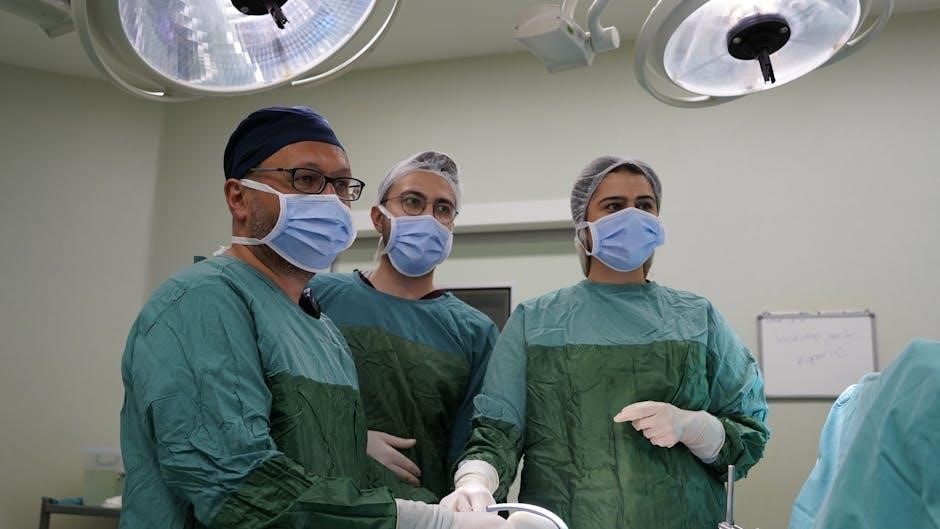
Key components of ERAS guidelines include meticulous pre-operative optimization, minimizing surgical stress through techniques like minimally invasive surgery, and proactive post-operative management. This encompasses strict adherence to pain control protocols, early mobilization, and optimized nutritional support – as previously discussed.
All ERAS Society Guidelines are freely accessible on their official website, providing detailed recommendations for various surgical specialties. These guidelines are often published jointly with relevant surgical societies, ensuring widespread adoption and implementation. Following these guidelines can significantly reduce complications, shorten hospital stays, and improve overall patient satisfaction. Healthcare providers are encouraged to familiarize themselves with the ERAS protocols relevant to their practice.
The Role of Community Health Workers in Post-Surgical Care
Community health workers (CHWs) are emerging as vital members of the post-surgical care team, particularly in resource-limited settings. Their unique position within communities allows them to bridge gaps in access to care and provide culturally sensitive support to patients recovering from surgery.
Recent studies, such as those conducted in Rwanda, demonstrate the potential of CHWs to significantly improve post-operative outcomes. They can assist with medication adherence, wound care monitoring, and early detection of complications, reducing the burden on hospital-based healthcare providers.
CHWs can also play a crucial role in surgical research, facilitating patient recruitment and data collection. Their involvement fosters trust and strengthens the connection between healthcare systems and the communities they serve. By providing education and support, CHWs empower patients to actively participate in their recovery process, leading to improved long-term health and well-being. Their contributions are invaluable in ensuring equitable access to quality post-surgical care.
Post-Surgical Physical Therapy: An Overview
Post-surgical physical therapy is a cornerstone of recovery, designed to restore function, strength, and mobility following an operation. It’s a carefully structured program tailored to the individual’s surgical procedure, overall health, and specific needs.
The initial phases focus on gentle exercises to improve circulation, reduce swelling, and prevent stiffness. As healing progresses, the therapy evolves to include strengthening exercises, range-of-motion activities, and functional training – simulating everyday movements.
A qualified physical therapist will assess your condition, establish realistic goals, and guide you through each exercise. Adherence to the prescribed program is crucial for optimal results. Early mobilization, under professional guidance, is often encouraged to prevent complications like deep vein thrombosis (DVT) and promote faster recovery. Physical therapy isn’t just about regaining physical abilities; it’s about empowering you to return to a fulfilling and active lifestyle post-surgery.
Early Mobilization & DVT Prevention
Following surgery, prompt and gentle mobilization is vitally important, even if it’s just simple movements in bed or short walks with assistance. This early movement significantly reduces the risk of developing deep vein thrombosis (DVT), a potentially dangerous condition where blood clots form in the legs.
Prolonged immobility slows circulation, increasing the likelihood of clot formation. Physical therapists will guide you through safe and appropriate exercises to promote blood flow and strengthen leg muscles, which act as natural pumps. Compression stockings are often prescribed to further aid circulation and minimize swelling.
Staying hydrated is also crucial, as dehydration can thicken the blood and increase clotting risk. Pay attention to any signs of DVT – pain, swelling, redness, or warmth in the leg – and report them immediately to your healthcare provider. Early detection and intervention are key to preventing serious complications.
Pain Management: Balancing Comfort & Recovery
Effective pain management is a cornerstone of post-surgical recovery, but it’s a delicate balance. The goal isn’t necessarily to eliminate pain entirely, but to manage it sufficiently to allow you to participate in your recovery process – including physical therapy and daily activities.
Your healthcare team will likely prescribe pain medication, ranging from over-the-counter options like acetaminophen and ibuprofen to stronger opioids for more severe pain. It’s crucial to take medications as directed and to discuss any concerns or side effects with your doctor.
Non-pharmacological methods also play a vital role. These include techniques like deep breathing exercises, meditation, and applying ice or heat to the surgical site. Open communication with your care team is essential to adjust your pain management plan as your recovery progresses, ensuring both comfort and optimal healing. Remember, uncontrolled pain can hinder your ability to rehabilitate effectively.
Prioritizing Wound Care for Optimal Healing
Meticulous wound care is absolutely critical for preventing infection and promoting optimal healing after surgery. Generally, initial dressings should remain undisturbed for approximately seven days, or until suture removal on a clean surgical site, as per consensus statements. However, always follow your surgeon’s specific instructions, as protocols can vary.
Keep the wound clean and dry. Avoid soaking it in baths or pools until cleared by your doctor. Gently cleanse the area with mild soap and water as directed. Be vigilant for signs of infection – increased redness, swelling, warmth, pus, or fever – and report these immediately to your healthcare provider.
Proper wound care isn’t just about preventing complications; it’s about creating an environment conducive to tissue repair. Adhering to these guidelines significantly increases the likelihood of a smooth and successful recovery, minimizing discomfort and maximizing long-term outcomes.
Managing Incisional Pain
Post-operative pain is a normal part of the recovery process, but effective management is crucial for comfort and facilitating early mobilization. A delicate balance must be struck between controlling discomfort and avoiding over-sedation, which can hinder recovery. Follow your prescribed pain medication schedule diligently, and don’t hesitate to contact your doctor if pain is not adequately controlled.
Non-pharmacological methods can also significantly contribute to pain relief. These include applying ice packs (as directed), practicing deep breathing exercises, and utilizing relaxation techniques. Early mobilization, as tolerated, is also a key component of pain management, as movement can help reduce stiffness and discomfort.
Remember, pain levels will fluctuate. Communicate openly with your healthcare team about your pain experience, including its intensity, location, and any factors that exacerbate or alleviate it. Proactive pain management is essential for a smoother, more comfortable recovery journey.

Addressing Post-Operative Nausea & Vomiting
Post-operative nausea and vomiting (PONV) are common side effects following surgery, often stemming from anesthesia or pain medication. However, several strategies can help minimize discomfort and promote recovery. Initially, follow any anti-nausea medication prescribed by your surgeon or anesthesiologist precisely as directed.
Dietary adjustments are also beneficial. Begin with clear liquids – water, broth, or clear juice – and gradually reintroduce solid foods as tolerated. Avoid greasy, spicy, or overly sweet foods, as these can exacerbate nausea. Small, frequent meals are generally better tolerated than large ones.
Additionally, deep breathing exercises and relaxation techniques can help settle the stomach. Ensure adequate hydration by sipping fluids throughout the day. If nausea persists or vomiting occurs, contact your healthcare provider immediately, as it could indicate a more serious issue requiring intervention. Prompt management is key.
Recognizing and Reporting Complications
Vigilantly monitoring for potential complications post-surgery is crucial for a smooth recovery. While most recoveries are uneventful, being aware of warning signs allows for prompt intervention. Immediately report any signs of infection at the incision site – increased redness, swelling, warmth, pus, or escalating pain – to your surgeon.
Furthermore, be alert for systemic symptoms like fever (over 100.4°F or 38°C), chills, or persistent cough, which could indicate a broader infection. Unusual bleeding or drainage from the incision, coupled with increasing pain, also warrants immediate medical attention.
Additionally, report any new or worsening pain, shortness of breath, chest pain, or calf pain/swelling, as these could signal serious complications like blood clots. Do not hesitate to contact your healthcare team with any concerns, no matter how minor they seem. Early reporting facilitates timely diagnosis and treatment, optimizing your recovery trajectory.
Follow-Up Appointments & Schedule

Consistent follow-up care is an integral component of your post-surgical journey, ensuring optimal healing and identifying any potential concerns. Your surgeon will provide a detailed schedule of appointments, typically beginning within one to three weeks post-operatively. These appointments allow for wound assessment, suture/staple removal (if applicable), and evaluation of your overall recovery progress.
During these visits, openly discuss any pain, discomfort, or functional limitations you’re experiencing. Don’t hesitate to ask questions or voice concerns – your healthcare team is dedicated to addressing them. The 30-day post-discharge monitoring period is critical, focusing on costs and outcomes.
Adherence to the scheduled appointments is vital, even if you feel you are recovering well. These check-ups provide an opportunity for proactive intervention and personalized guidance. Missing appointments can delay the identification of potential complications and hinder your overall recovery. Confirm appointment details and preparation instructions beforehand.
Importance of Adherence to Instructions
Strict adherence to post-surgical instructions is not merely recommended; it’s fundamentally crucial for a successful and complication-free recovery. These guidelines, meticulously crafted by your surgical team, are based on established medical best practices and tailored to your specific procedure and individual needs. Deviating from these instructions can significantly increase the risk of infection, delayed healing, and other adverse outcomes.
Following medication schedules precisely, maintaining proper wound care, and respecting activity restrictions are all vital components. Ignoring these recommendations can compromise the integrity of the surgical repair and potentially necessitate further intervention. Remember, the 30-day post-discharge care period demands responsible patient participation.
Proactive communication with your healthcare provider is also essential. Report any unusual symptoms or concerns promptly, and never hesitate to seek clarification if you’re unsure about any aspect of your care plan. Your commitment to following instructions directly impacts your recovery trajectory.
Understanding Suture/Staple Removal
Suture or staple removal is a standard part of the post-surgical process, typically occurring around 7 days post-operation, or coinciding with your scheduled follow-up appointment. However, this timeframe can vary depending on the surgical site, the type of suture/staple used, and your individual healing progress. It’s crucial to never attempt to remove sutures or staples yourself.
Your surgeon or a qualified healthcare professional will perform this procedure in a sterile environment to minimize the risk of infection. Prior to removal, the area will be cleaned, and you may experience a slight pulling sensation. Following removal, a sterile bandage will be applied to protect the healing incision.
Post-removal, continue to monitor the site for any signs of infection, such as increased redness, swelling, pain, or drainage. Keep the area clean and dry, and follow any specific wound care instructions provided by your surgical team. Proper care ensures optimal healing and minimizes scarring.
Post-Discharge Care: 30-Day Monitoring
The initial 30 days following hospital discharge are critical for successful recovery. This period requires diligent self-monitoring and adherence to all post-operative instructions. Focus on observing your incision for signs of infection – increasing redness, swelling, unusual drainage, or escalating pain. Report any concerns immediately to your surgical team.
Actively manage your pain with prescribed medications, while gradually reducing reliance as healing progresses. Maintain a balanced diet and adequate hydration to support tissue repair. Attend all scheduled follow-up appointments to allow your surgeon to assess your progress and address any complications.
Be mindful of activity restrictions and gradually increase your activity level as tolerated. Consider the potential for costs and outcomes during this period, proactively addressing any challenges. Remember, consistent communication with your healthcare providers is key to a smooth and complication-free recovery during these crucial 30 days.
Resources for Post-Operative Support
Navigating the post-operative period can be challenging, and numerous resources are available to assist you. The ERAS Society website provides free access to comprehensive guidelines for enhanced recovery after surgery, offering evidence-based recommendations. Community health workers, particularly in regions like Rwanda, can play a vital role in providing support and facilitating surgical research.

For law enforcement personnel, the Massachusetts POST Commission offers training videos designed to meet specific needs and legislative mandates, ensuring quality care standards. Additionally, your surgical team can connect you with local support groups and home healthcare services if required; Don’t hesitate to utilize these resources.
Remember, organizations dedicated to patient care and professional development exist to enhance your recovery journey. These resources aim to improve policing, enhance public confidence, and ultimately, optimize the care of the surgical patient. Proactive engagement with these supports can significantly contribute to a positive outcome.
Massachusetts POST Commission & Training
The Massachusetts Peace Officer Standards and Training (POST) Commission was established to improve policing and bolster public trust in law enforcement. While seemingly unrelated to direct patient surgical care, the Commission’s focus on rigorous standards and ongoing professional development indirectly impacts the broader healthcare ecosystem.
POST training videos are specifically designed to assist law enforcement training managers and instructors in meeting crucial training requirements and legislative mandates within their agencies. These resources ensure officers are equipped with the knowledge and skills necessary to perform their duties effectively and responsibly.
Although not directly focused on post-surgical patient instructions, the Commission’s commitment to high-quality training reflects a dedication to public safety and well-being. This commitment extends to creating a safer environment for all citizens, including those undergoing medical procedures and recovery. Ultimately, a well-trained and professional law enforcement presence contributes to a more secure community for everyone.
Post-Operative Care in Cardiac Surgery
Cardiac surgery demands a particularly meticulous approach to post-operative care, often guided by Enhanced Recovery After Surgery (ERAS) Society Recommendations. These guidelines prioritize a multi-modal strategy, encompassing pain management, early mobilization, and optimized nutritional support to accelerate recovery.
Perioperative care protocols for cardiac surgery emphasize minimizing stress responses and proactively addressing potential complications. This includes careful monitoring of cardiac function, respiratory status, and wound healing. Adherence to medication schedules, including anticoagulants and pain relievers, is crucial.
ERAS Society guidelines, freely available on their website, provide detailed recommendations for all phases of cardiac surgical recovery. These resources cover aspects like pre-operative optimization, intra-operative techniques, and post-discharge follow-up. Effective communication between the surgical team, patient, and family is paramount for successful outcomes, ensuring a smooth transition back to daily life;