
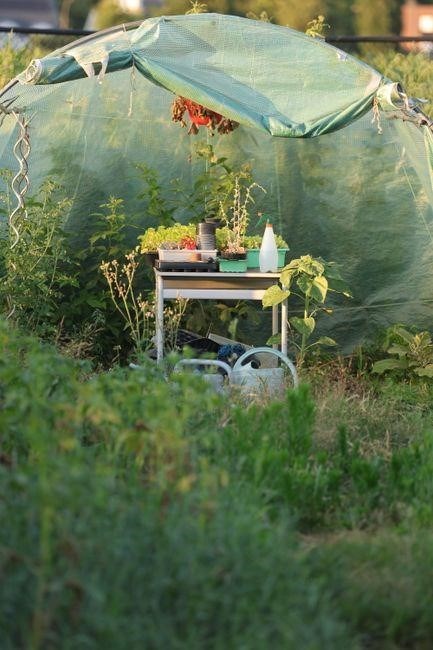
Discover how a standing garden plan in PDF format transforms limited spaces into thriving vertical farms. This guide explains layout, material choices, and planting strategies, ensuring easy access to fresh herbs, veggies, and flowers while maximizing light and airflow. Readers! will learn choice, weight balance, timing for garden daily!
What Does “Sur Pied” Mean?
In French, “sur pied” translates to “on foot” or “standing.” In gardening, it denotes a raised, freestanding planter that elevates beds above ground level. This design improves drainage, accessibility, and visual appeal, making it ideal for small balconies or uneven terrain. It reduces soil erosion.!
2.1 Standing Plan Concept
In a standing plan, the garden is elevated on a sturdy frame, allowing the planter to rest on its own legs rather than on the ground. This approach offers several benefits: improved airflow, easier maintenance, and a dramatic visual statement. The frame can be made from wood, metal, or recycled plastic, each material offering distinct durability and aesthetic qualities. By positioning the planter above the soil, you reduce the risk of root rot and waterlogging, especially in humid climates. The raised bed also helps regulate temperature, keeping roots cooler in summer and warmer in winter. Additionally, a standing structure can be moved to follow the sun’s path, ensuring optimal light exposure for all plants. When designing a standing plan, consider the weight of the soil and plants, ensuring the legs are thick enough to support the load. A well-balanced base prevents tipping, while a sloped design encourages drainage. The concept also allows for creative layering: herbs at the front, vegetables in the middle, and ornamental flowers at the back, creating a vertical garden that maximizes space and visual interest. Overall, the standing plan concept transforms a simple pot into a functional, stylish, and sustainable garden solution.By integrating companion plants—such as basil beside tomatoes or marigolds near root crops—your standing plan can naturally deter pests, improve pollination, and enrich the soil with beneficial microbes. Moreover, the elevated structure allows for easy addition of vertical trellises or hanging baskets, turning the garden into a multi‑layered ecosystem that maximizes yield per square foot while keeping maintenance and accessible; and share today.
Advantages of Using a PDF Format
PDFs keep your garden plan crisp, portable, and universally readable. They preserve layout, color, and annotations, ensuring every detail—from spacing to soil depth—stays intact across devices. Sharing is instant, printing is hassle‑free, and edits stay version‑controlled, making collaboration effortless. It syncs with garden apps.!!
3.1 Easy Sharing and Printing
When you design a standing garden plan, the format you choose determines how smoothly the information travels from your desk to the dirt. A PDF keeps every line, arrow, and label in its intended place, regardless of the software or device used to view it. That means your friends, family, or future self can open the file on a laptop, tablet, or even a smartphone and see the exact same layout, color scheme, and measurements. The file’s integrity is preserved, so the spacing between beds, the height of supports, and the placement of irrigation lines remain consistent.
Sharing is as simple as sending an email attachment or uploading the file to a cloud service. Because PDFs are universally supported, there is no need for recipients to have the original design program. They can view the plan with free readers like Adobe Acrobat Reader, Preview on macOS, or even browser-based viewers. This eliminates compatibility headaches and ensures that everyone can access the plan without installing additional software.
Printing is equally straightforward. A PDF can be printed at size, and the scaling options let you choose whether to keep the original dimensions or fit the plan onto standardA4 sheet. Most printers preserve the vector graphics and text clarity, so the plan remains legible even when printed at scale. If you need a hard copy for on‑site reference, a simple print job will give you a durable, paper version that can be taped to a wall or stored in a gardening binder. The combination of easy sharing and reliableprinting makes PDFs the ideal choice for distributing and preserving your standing garden design. Let the garden grow Every harvest brings satisfaction Grow! Joy.!

Key Design Elements to Include
Include sturdy frames, adjustable tiers, and drainage paths. Mark precise heights, spacing, and plant zones. Add labels, color codes, and a legend for quick reference. Incorporate a watering schedule, light exposure map, and seasonal rotation plan; Keep the layout clean, scalable, and printable. Use durable frames for wind resistance!!.
4.1 Height and Structural Support

When designing a standing garden plan, the first consideration is the overall height of the structure. A typical range of 120–180 cm allows for optimal sunlight penetration. The base should be wide enough—ideally 30–40 cm—to provide stability against wind or accidental bumps. Materials such as galvanized steel or recycled plastic balance durability and weight. Use interlocking brackets that can be added or removed as the garden expands.
- Vertical tiers: Each tier should be spaced 30–35 cm apart to accommodate the canopy of taller plants.
- Weight distribution: Incorporate cross‑beams at mid‑height to prevent sagging when pots are fully watered.
- Anchoring: Secure the base to a concrete foot or use heavy ballast to counteract the pull of wind on taller sections.
- Accessibility: Design the lowest tier to be at least 30 cm off the ground, allowing easy reach for planting and harvesting.
In the PDF layout, annotate each level with a height marker and an icon indicating the recommended plant type. This visual cue helps users quickly assess whether a particular plant will fit within the structural limits. Include a maintenance checklist reminding the gardener to inspect joints and fasteners every six months for safety.
Safety first: verify the structure meets local building codes if it exceeds 150 cm in height. Use non‑combustible materials near heat sources and install a fire‑resistant sealant on all joints. Keep the topmost tier clear of hanging objects that could fall. Check for rust or corrosion, especially in coastal areas where salt accelerates degradation—!!!

Plant Selection Tips for a Standing Garden
Choose plants that thrive in vertical spaces: herbs like basil, mint, and chives; leafy greens such as lettuce and spinach. Prioritize dwarf varieties, avoid heavy root systems, and select species with similar water needs to simplify care. Use companion planting to maximize space and deter pests naturally. Keep soil moist and shade Now
5.1 Seasonality and Compatibility
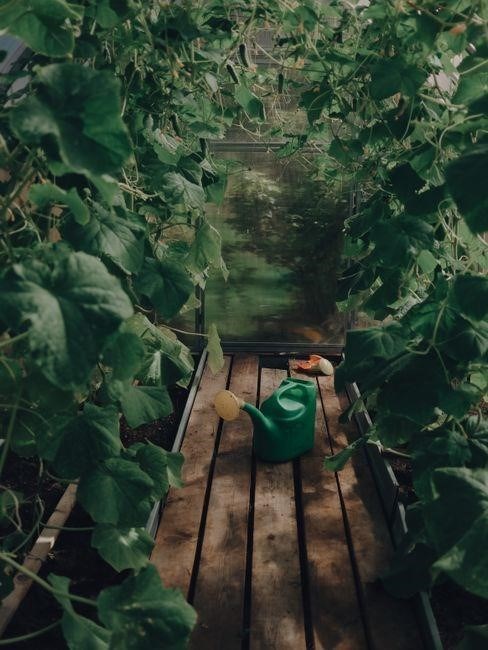
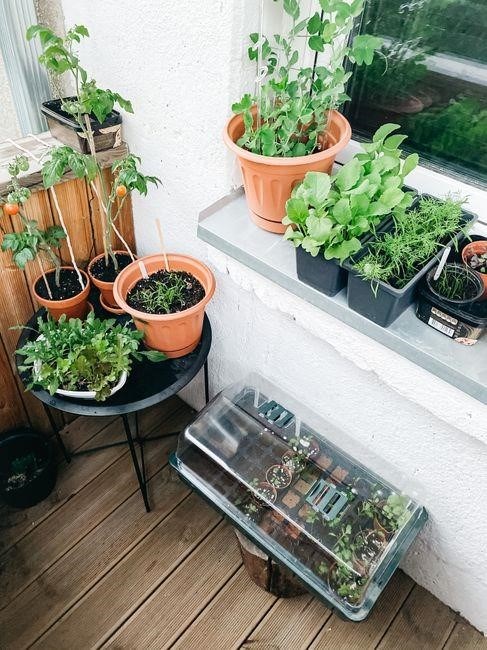
When designing a vertical plan, aligning plant life cycles with seasonal shifts is essential. Start by mapping out the growing season for your region—typically spring to early fall in temperate zones. Choose crops that mature within this window, such as lettuce, spinach, and radishes for early spring, followed by tomatoes, peppers, and basil in midsummer, and finally, hardy greens like kale and Swiss chard for late summer and fall. This staggered approach ensures continuous harvests and maximizes yield from limited vertical space.
Compatibility goes beyond simple coexistence; it involves complementary growth habits, nutrient demands, and pest deterrence. Pair deep-rooted perennials like geraniums or ornamental herbs with shallow-rooted lettuce to prevent root crowding. Use nitrogen-fixing legumes—such as peas or beans—at the base of taller tomatoes to naturally enrich the soil, reducing the need for synthetic fertilizers. Additionally, interplanting marigolds or nasturtiums can repel common pests, creating a healthier micro‑ecosystem.
Consider microclimate variations created by the structure itself. The upper tiers receive more light and wind, favoring sun‑loving species, while lower shelves retain moisture, making them ideal for shade‑tolerant plants. Adjust watering schedules accordingly, ensuring that taller plants do not drown the roots of those below. Incorporate drip lines or self‑watering reservoirs to maintain consistent moisture levels across all levels, thereby reducing labor and promoting uniform growth.
Seasonal micro‑climates shift gradually; monitor temperature and humidity daily to tweak light and irrigation, ensuring optimal plant health every year‑round.
Maintenance Guide Included in the PDF
Regular pruning, watering, and pest checks keep the vertical garden healthy. Inspect each tier weekly, remove wilted leaves, and rotate crops to maintain light exposure. Use drip irrigation, mulch, and organic compost to sustain soil fertility. Follow the PDF schedule for optimal results. Keep a log of growth, adjust light exposure as seasons change, ensuring tier thrives.!
6.1 Watering Schedule Overview
For a standing garden, water distribution must adapt to tier height and plant density. A baseline rule is to keep the soil moist but not saturated, allowing roots to access oxygen. Use a drip system or a soaker hose that delivers 0.5–1 inches per week, split into two sessions: morning and late afternoon.
Moisture sensors or a simple feel test help refine the schedule. If the top inch feels dry, increase watering by 0.25 inches. During hot spells, add a third light misting every 3–4 days to maintain root stress. Conversely, in cooler months, reduce to one session, ensuring the soil never stays soggy.
Seasonal shifts demand a flexible routine. In spring, increase watering to 0.75 inches weekly, and in summer, add a light misting every 3–4 days to maintain humidity. Autumn reduces to 0.5 inches, while winter may require only 0.25 inches, especially for frost‑tolerant species. Layer mulch to conserve moisture.
Fertilization should align with plant growth stages. Apply a balanced, slow‑release fertilizer at the start of spring, and supplement with liquid feeds during peak flowering. Keep the soil pH between 6.0 and 6.8; adjust with lime or sulfur as needed. Regularly inspect for pests and diseases, treating promptly to avoid root rot.
Finally, inspect each tier for uniform growth and adjust light or water as necessary. Keep a log of rainfall, temperature, and plant responses to refine the schedule over time. A well‑maintained PDF guide becomes a living document, evolving with your garden’s needs and seasons.
Adjust the plan yearly to reflect new plant varieties and evolving garden goals annually.!!
Adjust watering for rainfall now
How to Create and Distribute Your PDF
Use design software like Canva or Scribus to layout your plan. Export as PDF, ensuring images are high‑resolution. Add a watermark for protection. Share via email, cloud links, or print for workshops. Keep a backup on external drives.
Export to PDF, add a watermark, then share via email or cloud. Keep backups on cloud for safetydaily.
7.1 Software Recommendations
When designing a standing garden plan, the right software can streamline the process, enhance visual appeal, and ensure the final PDF meets professional standards. Below are three top choices, each with distinct strengths tailored to varying skill levels and project scopes.

- Canva – Ideal for beginners and quick prototypes. Its drag‑and‑drop interface, extensive template library, and built‑in iconography allow users to assemble beds, label plants, and add decorative borders without learning complex tools. Canva automatically exports to PDF/PNG, preserving vector quality for print.
- Adobe Illustrator – The industry standard for precision design. Illustrator offers full control over layers, paths, and typography. With features like the Pen Tool, Mesh Tool, and advanced color management, designers can create intricate bed layouts, custom plant icons, and realistic shading. Exporting to PDF retains vector fidelity, making it perfect for large‑scale prints or digital sharing.
- Scribus – A free, open‑source alternative that excels in layout and typography. Scribus supports CMYK workflows, PDF/X compliance, and complex multi‑column designs. It is especially useful for multi‑page garden guides that include notes, seasonal charts, and detailed instructions. While the learning curve is steeper than Canva, Scribus provides a powerful, no‑cost solution.
Choosing the right tool depends on your workflow preferences, budget, and the level of detail required. Regardless of the platform, always export to PDF/X‑4 to ensure color accuracy and compatibility across devices. and share easily now OK.