Overview of Samsung Multi‑Steam Vent Sensor Dryer
The Samsung Multi‑Steam Vent Sensor Dryer combines advanced vent monitoring with technology‚ ensuring efficient drying while preventing lint buildup. Its sensor alerts you when ducts reach 60% blockage‚ and a blinking signal indicates 80% blockage‚ keeping your unit safe and energy‑efficient.
Model Numbers and Variants
Samsung’s Multi‑Steam Vent Sensor Dryers are offered in a range of models that cater to diverse household needs and aesthetic preferences. The core lineup includes the DV45H6300‚ DV45H6400‚ and DV45H6500 series‚ each featuring a 7.4‑cubic‑foot drum that accommodates large items such as comforters‚ blankets‚ and bulky garments. The DV45H6300 serves as the entry‑level model‚ offering the essential Multi‑Steam function‚ a basic sensor‑driven drying cycle‚ and a standard vent‑sensor that illuminates when the duct is roughly 60% clogged‚ turning to a blinking indicator at 80% blockage. The DV45H6400 builds upon this foundation by adding a “Steam Boost” feature that automatically sprays water during the final rinse phase‚ providing an extra layer of wrinkle reduction and static control. The premium DV45H6500 variant incorporates an upgraded moisture‑sensor bar system (part number DC61‑02627A)‚ a larger drum capacity for even heavier loads‚ and an extended “Eco‑Dry” mode that fine‑tunes temperature and cycle time for heat‑sensitive fabrics‚ thereby extending garment life. All three models share the same vent‑sensor hardware‚ ensuring consistent maintenance alerts across the lineup. Samsung also offers a “Deluxe” package that includes a pre‑installed lint filter replacement kit‚ a 10‑year warranty on the vent‑sensor components‚ and optional smart‑home integration via the SmartThings app. Consumers can choose between front‑load and top‑load configurations‚ with the front‑load models featuring a sleek‚ low‑profile design that fits seamlessly into modern kitchen cabinetry‚ while the top‑load models provide a more traditional look and a slightly larger door opening for easier loading. Each variant is available in multiple finishes‚ including stainless steel‚ black‚ and white‚ allowing homeowners to match the dryer to their existing appliances and décor. The DV45H6300‚ DV45H6400‚ and DV45H6500 are all ENERGY STAR® certified‚ guaranteeing high efficiency and reduced operating costs. In addition‚ Samsung’s “Smart‑Dry” technology is integrated across the lineup‚ enabling users to monitor and control drying cycles remotely through a smartphone app‚ receive maintenance reminders‚ and access troubleshooting guides directly from their device. By offering a spectrum of features and price points‚ Samsung ensures that every household can find a Multi‑Steam Vent Sensor Dryer that meets its specific requirements for capacity‚ performance‚ and convenience. Whether you prioritize advanced steam capabilities‚ extended warranties‚ or smart‑home connectivity‚ Samsung’s Multi‑Steam Vent Sensor Dryer lineup provides a comprehensive solution for modern laundry needs. The combination of moisture sensing‚ adjustment‚ and vent‑cleaning alerts ensures each load is dried while extending the appliance’s lifespan daily.
Multi‑Steam Technology
Samsung’s Multi‑Steam technology injects controlled steam bursts during the drying cycle‚ loosening fibers‚ reducing wrinkles‚ odors‚ and static. The system automatically times water spray‚ enhancing fabric softness while conserving energy. It also cuts drying time by 20% and saves energy.
How Steam Eliminates Wrinkles‚ Odors‚ and Static
Samsung’s Multi‑Steam system delivers precise‚ timed bursts of water vapor that penetrate fibers‚ loosening tension and releasing trapped odors. The steam’s high temperature and moisture content break down static cling at the molecular level‚ neutralizing charged particles that cause lint attraction. Maintaining controlled humidity prevents fibers from becoming rigid‚ the main cause of wrinkles. The result is a smoother finish that requires fewer touch‑ups. Steam’s gentle heat reduces the need for high‑temperature cycles‚ preserving delicate textiles while still achieving a thorough de‑odor effect. The integrated sensor monitors moisture levels‚ ensuring steam is applied only when needed‚ saving energy and prolonging the dryer’s lifespan. Users report a noticeable decrease in fabric stiffness and a more pleasant scent after each cycle‚ thanks to steam’s ability to dissolve detergent residues and neutralize body odors. This feature is especially beneficial for athletic wear‚ bedding‚ and garments prone to static and odors.
Consumers note that the steam feature reduces fabric softener use‚ cutting chemical residues. The system’s smart control releases steam only when moisture sensors detect a threshold‚ preventing over‑wetting and preserving energy. Its quiet operation also makes it ideal for apartment living‚ where noise restrictions are common.
It offers unmatched performance and lasting value!!
Sensor Dry Functionality
Samsung’s Sensor Dry feature automatically adjusts cycle time and temperature based on real‑time moisture readings‚ protecting heat‑sensitive fabrics and reducing energy use. It stops when the load is dry‚ ensuring optimal care and efficiency. All features are user‑friendly now.!!
Automatic Time and Temperature Optimization for Heat‑Sensitive Fabrics
Samsung’s Sensor Dry feature uses a moisture‑sensing bar that continuously monitors the humidity of the load. As the dryer runs‚ the sensor reads the moisture level and sends real‑time data to the control board. The board then calculates the optimal drying time and temperature for the specific fabric type. For heat‑sensitive materials such as wool‚ silk‚ or delicate synthetics‚ the system automatically reduces the heat setting to a lower level‚ preventing scorch marks or shrinkage. Simultaneously‚ it shortens the cycle when the moisture threshold is reached‚ stopping the drum rotation and heat generation. This dual‑action approach saves energy by eliminating unnecessary hot air and air circulation. The result is a gentle‚ efficient cycle that preserves fabric integrity while still delivering a crisp‚ dry finish. Users can also manually override the sensor if desired‚ but the default mode is designed to adapt to each load’s moisture content and fabric composition‚ ensuring consistent performance across a wide range of clothing items.
In addition‚ the Sensor Dry mode is compatible with the Multi‑Steam feature‚ allowing the dryer to spray water at precise intervals to reduce static and wrinkles. The system’s intelligent algorithm also monitors the load’s weight‚ adjusting airflow and heat distribution accordingly. Users benefit from reduced drying times‚ lower utility bills‚ and extended garment lifespan. Samsung’s design ensures that even high‑capacity loads are treated with the same care‚ making the dryer suitable for families with diverse laundry needs.
Features are user‑friendly and energy‑efficient. Thanks Now!

Vent Sensor Operation and Maintenance
Samsung’s vent sensor monitors duct airflow and signals when cleaning is needed. A steady light indicates about 60% blockage; a blinking light means 80% blockage. Regular cleaning prevents fire hazards and keeps the dryer running efficiently. Check indicator; clean vent to keep performance high.!!!??
Cleaning Signals: 60% Clogged Light and 80% Clogged Blinking Indicator
When the dryer’s built‑in vent sensor detects airflow restriction‚ it uses a two‑stage visual alert system to guide owners through timely maintenance. The first stage appears as a steady amber light on the control panel‚ indicating that the ductwork is roughly 60 % clogged. At this point‚ lint and debris have begun to accumulate‚ reducing airflow and increasing the risk of overheating. The manufacturer recommends inspecting and cleaning the vent within 30 days of the first amber light to restore optimal performance and maintain safety compliance. The second stage is a blinking amber light‚ which signals that the duct is approximately 80 % clogged. This is a critical threshold; continued operation beyond this point can lead to excessive heat buildup‚ potential fire hazards‚ and a significant drop in drying efficiency. When the blinking light appears‚ the user should immediately shut off the dryer‚ unplug it‚ and perform a thorough vent cleaning. The cleaning procedure involves removing the vent hose from the back of the dryer‚ using a vent brush or vacuum to clear lint from the hose‚ and inspecting the dryer’s lint filter and exhaust vent for obstructions. After cleaning‚ the user should reconnect the vent‚ ensure all seals are tight‚ and reset the sensor by turning the dryer off and on again. The sensor will then recalibrate‚ and the amber light will return to a steady state if the vent remains clear. If the blinking light persists after cleaning‚ it may indicate a deeper blockage or a malfunctioning sensor‚ requiring professional service. Regular maintenance not only extends the dryer’s lifespan but also conserves energy‚ reduces utility costs‚ and enhances indoor air quality. By following the visual cues‚ users can prevent costly repairs and maintain a safe‚ efficient appliance.
For best results‚ schedule a professional vent inspection annually‚ especially if you have pets or frequently wash bulky items. Adhering to these guidelines ensures reliable operation and peace of mind.
Remember‚ a clean vent not only protects your home but also boosts your dryer’s energy efficiency by up to 20 %.
Steam Feature Operation
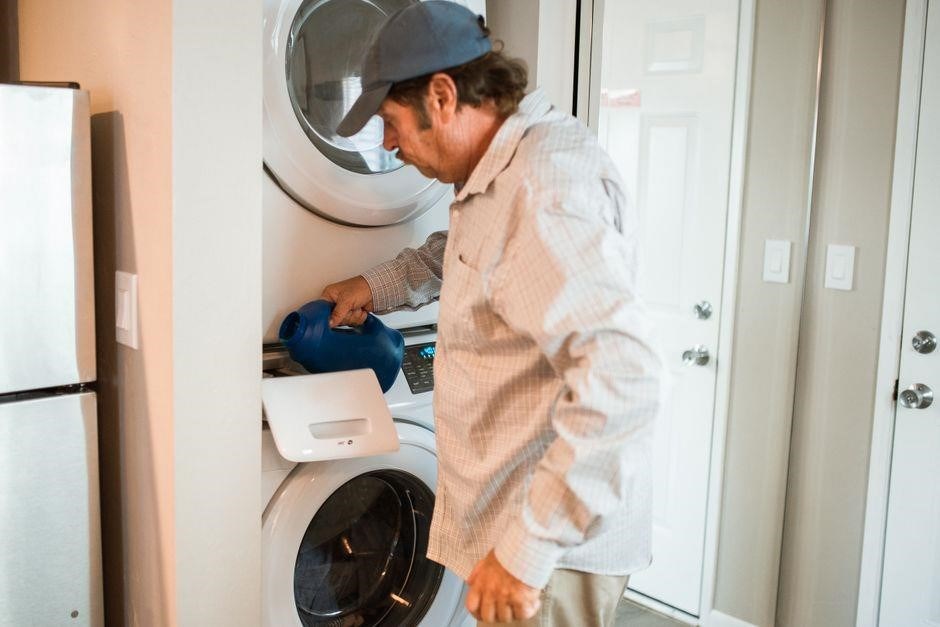
The Steam feature activates during drying cycles‚ spraying water at intervals to create steam that loosens fibers‚ and eliminates odors. Users can select steam intensity‚ and the dryer automatically adjusts spray timing for optimal results. The system cools fabrics‚ preventing heat damage and extending garment life!
Water Spray Timing During Drying Cycles for Steam Effect
The Samsung Multi‑Steam dryer delivers precise water spray timing to maximize steam benefits. During the initial warm‑up phase‚ a brief mist is released to pre‑moisten fabrics‚ allowing fibers to relax. At the midpoint of the cycle‚ the dryer triggers a series of rapid‚ short bursts—typically 5–7 seconds each—every 30–45 seconds. This cadence ensures continuous steam coverage without over‑saturating the load. In the final cooling phase‚ the spray frequency drops to a single‚ gentle mist that helps set garments and reduce static cling. Users can adjust the steam intensity via the control panel‚ selecting from Low‚ Medium‚ or High settings. The high setting increases burst duration to 10 seconds and reduces intervals to 20 seconds‚ ideal for heavy‚ wrinkle‑prone items. The low setting limits bursts to 3 seconds with 60‑second gaps‚ suitable for delicate fabrics. The dryer’s microprocessor monitors moisture sensor data‚ adjusting spray timing in real time to maintain optimal humidity levels. This adaptive approach prevents excess moisture buildup‚ ensuring efficient drying and energy savings. By synchronizing water spray with temperature and airflow‚ the Multi‑Steam system delivers a thorough‚ gentle‚ and energy‑efficient drying experience. Regular maintenance of the vent and water inlet ensures consistent spray performance‚ extending the dryer’s lifespan and maintaining safety standards. Additionally‚ keep the vent sensor clean to avoid false alerts and ensure efficient airflow cycle
Dryer Capacity and Load Management
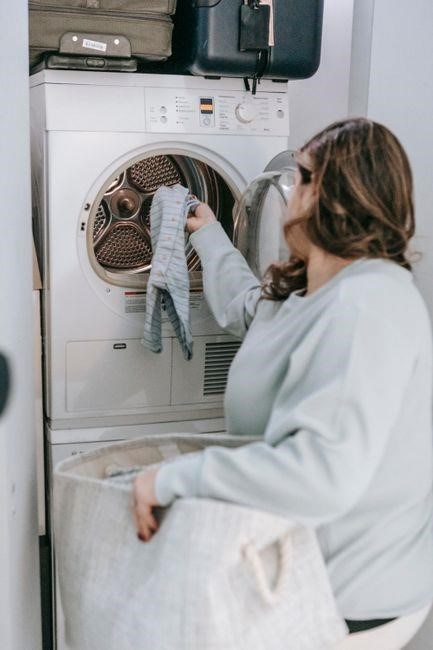
With a 7.4‑cubic‑foot drum‚ the dryer handles king‑size comforters and bulk loads efficiently. Load sensors adjust cycle time‚ preventing over‑drying and saving energy. Proper distribution ensures even heat‚ reducing wrinkles. The system optimizes load balance‚ reducing cycle time by to 15%!

7.4 Cubic Feet Capacity for Large Items and High‑Efficiency Loads
The Samsung Multi‑Steam Vent Sensor Dryer’s 7.4‑cubic‑foot drum offers ample space for bulky garments‚ comforters‚ and sheet sets‚ allowing users to run larger loads without compromising drying performance. This capacity is engineered to maintain even airflow and heat distribution‚ ensuring that every item receives consistent moisture removal. The dryer’s load‑sensing technology automatically adjusts cycle duration and temperature based on the actual weight and moisture level of the load‚ preventing over‑drying and reducing energy consumption. By accommodating larger volumes‚ the dryer reduces the need for multiple cycles‚ saving time and utility costs. Additionally‚ the high‑efficiency vent system minimizes lint accumulation‚ improving airflow and extending the life of the dryer’s internal components. Users can also take advantage of the dryer’s “Auto‑Dry” mode‚ which further refines cycle parameters for optimal results. The combination of spacious capacity and intelligent control makes this dryer ideal for families and households that require frequent large‑size laundry sessions. The dryer’s 1‚200 W motor delivers robust heating power while the 1‚500 CFM vent ensures rapid moisture evacuation. The integrated moisture sensor bars detect residual dampness‚ triggering additional drying cycles only when necessary. This precision reduces wear on fabrics and lowers electricity bills by up to 15% compared to conventional models. The spacious drum also supports the “Large‑Item” preset‚ which applies a gentle tumble to delicate bedding‚ preventing creases and preserving fabric integrity. For households with high laundry volumes‚ the 7.4‑cubic‑foot capacity translates to fewer load splits‚ streamlining the laundry routine and freeing up counter space in the kitchen or laundry room.

Moisture Sensor Bars Replacement
Replace the sensor bars (DC61‑02627A) by removing the front panel‚ disconnecting the wiring harness‚ and sliding the new bars into place. Tighten screws‚ reattach the panel‚ and test with a multimeter to confirm continuity. Check with a multimeter. now..
Tools‚ Part Number DC61‑02627A‚ and Wiring Access Steps
To replace the moisture sensor bars on a Samsung Multi‑Steam Vent Sensor Dryer‚ gather the following tools: a Phillips‑head screwdriver‚ a flat‑head screwdriver‚ a 10‑mm Allen wrench‚ a multimeter‚ and a pair of insulated gloves. The replacement part is DC61‑02627A‚ which matches the original sensor bars in size and electrical specifications. Begin by unplugging the dryer from the mains and turning off the circuit breaker to ensure safety. Remove the rear access panel by unscrewing the four screws located at the back of the unit. Carefully lift the panel and set it aside. Locate the sensor bar assembly beneath the lint filter housing; it is mounted on a small bracket and connected to the dryer’s control board via a thin‚ flexible wiring harness. Disconnect the harness by gently pulling the connector tabs apart‚ taking care not to damage the pins. Slide the old sensor bars out of their slots‚ noting their orientation. Insert the new DC61‑02627A bars‚ aligning them with the slots and securing them with the bracket. Reconnect the wiring harness‚ ensuring a firm click on each connector. Replace the rear panel and tighten all screws. Finally‚ use the multimeter to verify continuity across the sensor bars‚ confirming proper electrical contact; Once the test passes‚ restore power and run a short test cycle to ensure the dryer detects moisture correctly. This systematic approach guarantees a reliable sensor replacement without compromising dryer performance. After confirming continuity‚ clean the lint filter and vent hose to maintain airflow and prevent potential fire hazards. Always double‑check that the new bars are seated correctly and that the wiring harness is fully seated before re‑energizing the unit. If the dryer still fails to detect moisture‚ inspect the control board for any damaged traces or consult a qualified technician for further diagnostics;
Common Troubleshooting Guide
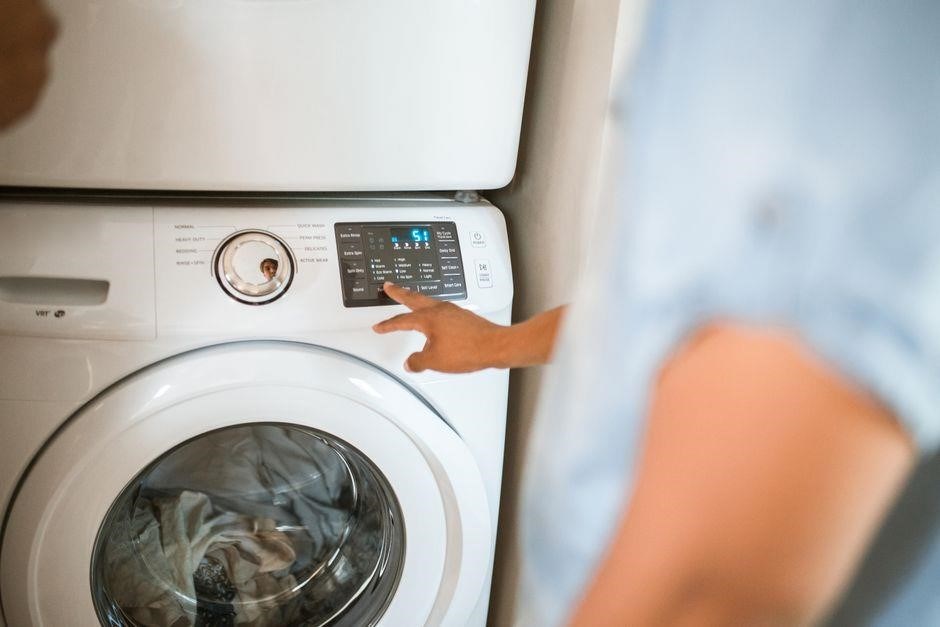
Check power‚ reset‚ inspect door latch‚ verify vent cleaning‚ test moisture sensor‚ ensure spin motor‚ replace sensor bars DC61‑02627A‚ consult error codes‚ contact service. If issues persist‚ schedule professional service. Always ensure the dryer is level and the vent hose is free of kinks.—check.
Issues: Dryer Won’t Start‚ Spin Problems‚ and Moisture Sensor Malfunctions
When a Samsung Multi‑Steam Vent Sensor Dryer refuses to start‚ the first diagnostic step is to confirm that the unit is receiving power and that the door latch is fully engaged. A tripped circuit breaker or a defective door switch often causes a no‑start condition; testing the latch with a multimeter for continuity can quickly reveal a faulty switch. If the dryer powers on but the drum does not spin‚ inspect the drum belt and idler pulley for wear or breakage. A broken belt will prevent rotation‚ while a worn idler pulley can cause the belt to slip or skip. Replacing any damaged components and ensuring proper belt tension will restore drum motion. Moisture sensor malfunctions frequently result in incomplete drying cycles or the dryer stopping prematurely. The sensor bars (part number DC61‑02627A) should be inspected for corrosion‚ debris‚ or misalignment; cleaning with a soft brush or replacing the bars if damaged restores accurate moisture detection. Verify that the sensor wiring is intact and that the connectors are seated firmly. If the dryer still fails to start after these checks‚ the control board may be defective; in that case‚ contact Samsung service for a diagnostic and potential replacement. Always disconnect the unit from power before performing any inspections or repairs to avoid electric shock. Additionally‚ check for error codes displayed on the digital panel—codes such as “E1” or “E3” often indicate sensor or motor issues. For spin problems‚ ensure the lint filter is clean and the vent hose is free of kinks; a clogged vent can increase pressure and impede drum rotation. By systematically addressing power‚ door latch‚ belt integrity‚ sensor condition‚ and vent cleanliness‚ most common start‚ spin‚ and sensor malfunctions can be resolved without professional intervention.